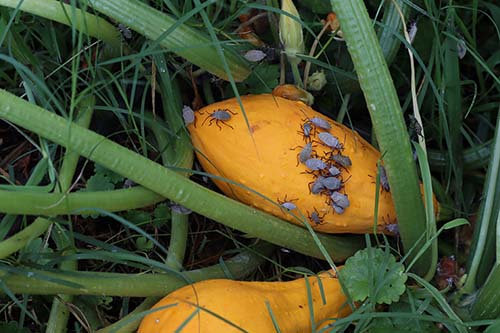
August in Georgia is prime time for starting fall crops—but it’s also peak season for two of the most persistent and destructive garden pests: cabbage worms and squash bugs.
These uninvited guests can strip leafy greens bare and wipe out squash plants almost overnight. The good news? You can fight back without resorting to harsh chemicals. With the right organic controls, you can keep your plants healthy and your harvest bountiful.
Let’s break down each pest, the damage they cause, and the eco-friendly tools to stop them in their tracks.
🥬 The Culprit: Cabbage Worms
What They Are:
The term “cabbage worm” refers to the green larvae of the small white cabbage butterfly. They love all members of the brassica family—including cabbage, broccoli, cauliflower, kale, and collards.
Signs of Infestation:
- Ragged holes in leaves.
- Small green caterpillars hiding along leaf veins or undersides.
- Frass (dark green droppings) scattered on leaves.
Organic Solutions:
- Row Covers – Lightweight fabric barriers keep butterflies from laying eggs on plants. Install right after transplanting fall brassicas.
- Handpicking – Check plants daily and remove worms by hand (a morning routine is most effective).
- Bt (Bacillus thuringiensis) – A naturally occurring soil bacteria that targets caterpillars without harming beneficial insects. Spray in the evening for best results.
- Beneficial Insects – Attract parasitic wasps, lacewings, and ladybugs by planting dill, fennel, or yarrow nearby.
Pro Tip: Rotate brassicas to a new garden spot each year to reduce overwintering pests.
🎃 The Culprit: Squash Bugs
What They Are:
Flat, shield-shaped brown or gray insects that feed on squash, zucchini, pumpkins, and sometimes cucumbers. Adults and nymphs suck plant juices, causing wilting and eventual plant death.
Signs of Infestation:
- Clusters of bronze-colored eggs on the undersides of leaves.
- Yellow spots on leaves that turn brown and brittle.
- Plants wilting during the day despite adequate watering.
Organic Solutions:
- Egg Scraping – Check leaves daily for egg clusters and remove them before they hatch. A piece of tape works well for lifting eggs.
- Trap Boards – Place wooden boards near plants overnight. In the morning, squash bugs will hide underneath—flip and crush them.
- Neem Oil – Disrupts the insects’ life cycle and deters feeding. Spray directly on nymphs (adults are more resistant).
- Early Planting & Crop Rotation – Plant fall squash early enough to harvest before squash bug populations peak, and never plant squash in the same place two seasons in a row.
🌿 Keeping It Organic & Effective
Fighting pests organically isn’t about eliminating every single bug—it’s about maintaining a balance so your crops can thrive. The key is consistent, early intervention before populations explode.
Three rules for organic pest management:
- Inspect daily – Morning checks catch pests before they spread.
- Encourage biodiversity – Companion planting, flowers, and habitat for beneficial insects make your garden less vulnerable.
- Stay ahead of the cycle – Remove eggs, juveniles, and weak plants before they can fuel the next generation of pests.
🌟 Final Thought: A Healthy Fall Garden Starts Now
August in Georgia may still feel like summer, but the choices you make now determine the success of your fall harvest. By staying vigilant against cabbage worms and squash bugs—and using organic, targeted methods—you can protect your tender transplants and ensure a steady flow of leafy greens, crunchy brassicas, and sweet fall squash well into the cooler months.
Your fall garden deserves the same care and defense as your spring crops. Keep your eyes sharp, your tools ready, and your garden will reward you with a pest-protected harvest.