Perfect Time to Enjoy!
-

The perfect time to harvest and enjoy Georgia produce depends on the type of fruits and vegetables you're growing, as well as the local climate and growing conditions.
-
Here's a general guideline for harvesting some popular Georgia produce:
Strawberries:
- Strawberries are typically ready for harvest in Georgia from late April to early June. Pick them when they are fully red and ripe. Enjoy them fresh, make preserves, or use them in desserts. Learn More Blueberries:
- Blueberries are in season in Georgia from late April to early August. Harvest when the berries turn blue and easily come off the stem. Use them in muffins, pancakes, or as a healthy snack. Learn More Peaches:
- Georgia peaches are at their best from May to August. Harvest peaches when they are firm yet yield slightly to gentle pressure. Let them ripen at room temperature for a few days before enjoying. Learn More Tomatoes:
- Tomatoes are abundant from June to September. Pick them when they are fully ripe and have a rich color and slightly soft feel. Use them in salads, sandwiches, and sauces. Learn More Sweet Corn:
- Georgia sweet corn is at its peak from June to August. Harvest when the kernels are plump and release a milky substance when punctured. Enjoy it fresh or lightly grilled. Learn More Bell Peppers:
- Bell peppers are available from June to October. Pick them when they have reached their desired size and color. Use them in a variety of dishes, from stir-fries to stuffed peppers. Learn More Watermelons:
- Watermelons are in season from June to August. Harvest when the fruit has a dull skin, sounds hollow when tapped, and the bottom is creamy yellow. Perfect for hot summer days. Learn More Okra:
- Okra is abundant from June to September. Harvest when the pods are young and tender, typically around 2-3 inches in length. Fry, roast, or use in gumbo. Learn More Collard Greens:
- Collard greens thrive in cooler months, typically from September to April. Harvest the outer leaves when they are dark green and tender. Cook them in traditional Southern dishes. Learn More Butternut Squash:
- Butternut squash is ready for harvest from September to October. Harvest when the skin is hard and fully colored. It's great for roasting, soups, and purees. Learn More
Remember that exact harvest times can vary depending on local conditions and the specific variety you're growing. It's a good practice to monitor your garden regularly and harvest when the produce reaches its peak flavor and quality. Enjoy the freshest Georgia produce in your favorite recipes and savor the flavors of the season!
-

Muscadines
Muscadines are often used to make jams, jellies, and wine, but can also be eaten fresh or added to salads for a burst of flavor. More
-

Watermelon
No denying the appeal of this juicy fruit. Plus, it's packed with vitamins and minerals, making it a healthy choice for anyone looking to eat more fresh produce. More
-

Strawberries
The state's strawberry season typically runs from late April to early June, and Georgia strawberries can be found at supermarkets and farmers markets throughout the state during this time. More
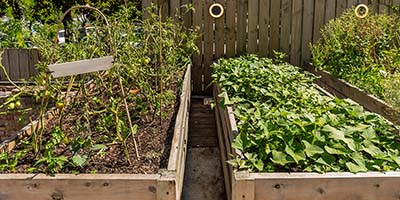
Garden Design
Providing inspiration and guidance for planning and designing a successful fruit and vegetable garden in Georgia. Sharing ideas for raised beds, container gardening, and vertical gardening.
Learn More
Local Resources
Connecting readers with local resources such as seed suppliers, nurseries, and farmer's markets that specialize in Georgia fruits and vegetables. Sharing information about community gardens, gardening clubs, and workshops in the area.
Learn More
Gardening Tips
Offering helpful tips for maintaining a successful garden, including advice on watering, mulching, pruning, and harvesting. Providing guidance on how to choose the right tools and equipment for the job.
Learn More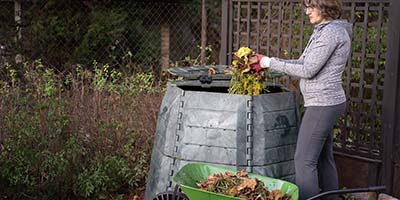
Sustainability
Promoting sustainable gardening practices such as composting, using natural fertilizers, and conserving water. Highlighting the benefits of gardening for the environment, community, and personal health.
Learn MoreWhen Should You Harvest a Georgia Garden?
Calendar dates are only part of the answer. Variety, planting date, temperature, rainfall and maturity all affect harvest. Learn the visual and tactile signs for each crop and use the individual growing guide when precision matters.
Harvest by Crop Type
Frequent Pickers
Okra, beans, cucumbers and summer squash can move from ideal to overmature quickly. Check productive plants often.
Cut-and-Come-Again
Leafy greens and many herbs can provide repeated harvests when enough healthy growth remains on the plant.
Morning Harvest: When It Helps
Cool morning conditions can be useful for many leafy crops and herbs, particularly during hot Georgia weather. But the crop's maturity matters more than an arbitrary time of day—harvest an overripe crop when it is ready.
After the Harvest
Move heat-sensitive produce out of direct sun, handle berries and ripe fruit gently, and use appropriate refrigeration or curing for the crop. Continue to GA Garden recipes when a large harvest needs a destination.
Harvest Is Also the Start of the Next Planting
Once a crop finishes, remove diseased debris, consider its plant family and decide whether the bed can move into a succession crop. That connects harvesting directly back to planting techniques and crop rotation.
Keep Exploring GA Garden
Continue with Georgia fruits, Georgia vegetables, Georgia herbs, growing guides, pest and disease control and garden-to-kitchen recipes.