Late-summer crop care
🍅 Extend Your Harvest: 3 Ways to Keep Georgia Tomatoes & Peppers Thriving in August 🌶️
Pruning, mulching, and side-dressing techniques that beat the heat and keep the harvest coming.
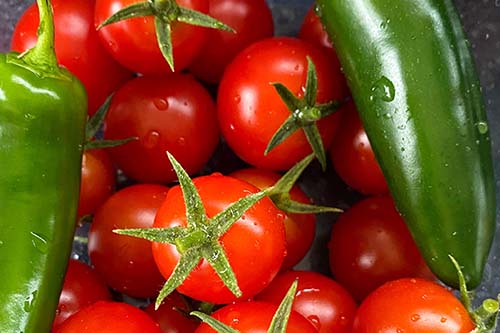
August in Georgia can be brutal for the garden. The heat is relentless, the humidity high, and pests are lurking at every turn. But for gardeners who’ve nurtured their tomatoes and peppers since spring, this is no time to throw in the towel—this is the month to push for maximum yield.
With the right late-summer care, your tomato and pepper plants can keep producing well into September and even October. The secret lies in three time-tested techniques: pruning, mulching, and side-dressing.
Let’s dig into how each one works and why it’s essential for extending your harvest in Georgia’s challenging August climate.
✂️ 1. Pruning: Direct Energy Where It Counts
By August, tomato and pepper plants often look like they’ve been through battle—yellowing lower leaves, tangled stems, and side shoots going in every direction. Strategic pruning helps them focus their energy on producing fruit rather than wasting it on excess foliage.
For Tomatoes:
- Remove lower leaves that touch the soil to prevent disease spread.
- Pinch off suckers (side shoots growing between the main stem and branches) on indeterminate varieties to boost airflow and fruit set.
- Thin overcrowded areas to reduce humidity inside the canopy—this cuts down on fungal problems like blight.
For Peppers:
- Lightly thin branches to improve air circulation and sun penetration.
- Remove small, late-season flowers that are unlikely to produce mature fruit before frost.
Pro Tip: Avoid heavy pruning during extreme heat—take off a few leaves at a time so plants don’t get sunscald.
🌾 2. Mulching: Keep Roots Cool & Moist
In August, bare soil is an open invitation for trouble—heat stress, weeds, and rapid evaporation. Mulching is one of the simplest yet most effective ways to protect your plants and prolong production.
Best Mulch Choices for Georgia Gardens:
- Pine straw – Lightweight, readily available, and great for retaining moisture.
- Shredded leaves – Free if you collect your own and they break down into rich organic matter.
- Straw or hay (weed-free) – Excellent for covering large garden areas quickly.
Mulching Benefits:
- Maintains even soil temperatures, protecting roots from overheating.
- Conserves moisture, reducing water stress and blossom end rot.
- Suppresses weeds that compete for nutrients.
Pro Tip: Apply 2–3 inches of mulch, keeping it a few inches away from the plant stem to prevent rot.
🌿 3. Side-Dressing: Feed for a Second Wave of Fruit
By August, your tomatoes and peppers have been working hard for months, and soil nutrients are often depleted. Side-dressing—adding fertilizer alongside established plants—gives them the boost they need for late-season production.
When to Side-Dress:
- After the first big flush of tomatoes or peppers is harvested.
- Anytime plants look pale, growth slows, or new flowers are scarce.
Organic Side-Dressing Options:
- Compost – A 1–2 inch layer worked into the soil around plants replenishes nutrients gradually.
- Fish emulsion or seaweed extract – Diluted and applied as a liquid feed for quick uptake.
- Bone meal & composted manure – Ideal for encouraging flowering and fruiting.
How to Apply:
- Gently pull back mulch.
- Sprinkle fertilizer 4–6 inches from the plant base.
- Water deeply to help nutrients soak into the root zone.
Pro Tip: Don’t overdo nitrogen in late summer—it encourages leafy growth at the expense of fruit.
🌟 Final Thought: Finish Strong
In Georgia’s August heat, it’s easy to let plants wind down—but with smart pruning, effective mulching, and well-timed side-dressing, you can keep tomatoes and peppers healthy, productive, and delicious for weeks beyond their normal season.
Think of it as your garden’s final push before the curtain closes—a little extra care now will pay off with baskets of ripe, flavorful fruit when everyone else’s plants have given up.