Cool-season authority guide
Fall in Georgia: Must-Plant Vegetables for Cool Weather
Fall in Georgia is the perfect time to plant a variety of cool-weather vegetables that thrive as temperatures drop. Whether you're new to gardening or a seasoned green thumb, planting a fall garden can extend your harvest well into winter. Here’s a guide to the best vegetables to plant, along with tips on soil preparation, planting times, and maintenance to ensure a productive, delicious cool-season garden.
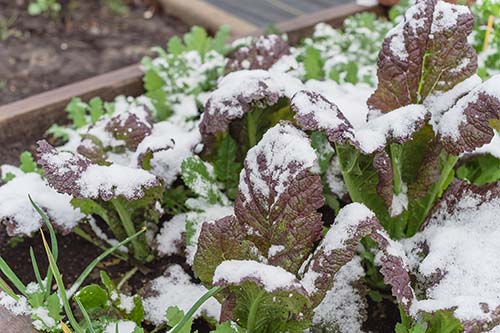
Why Plant a Fall Garden in Georgia?
Georgia’s mild fall and winter temperatures create ideal conditions for many cool-weather crops. In fact, some vegetables develop even better flavors when grown in the fall. Cooler temperatures reduce the risk of common summer pests, and the shorter days of autumn often mean fewer weeds.
Top Must-Plant Fall Vegetables for Georgia Gardens
Kale
Kale is a nutrient-packed leafy green that’s very hardy, thriving in cooler weather. In fact, a light frost can improve its flavor, making it sweeter.
- Planting Time: Direct sow seeds or transplant seedlings from mid-September to October.
- Care Tips: Water consistently and protect from pests like cabbage worms by using row covers.
Spinach
Spinach grows quickly and can tolerate light frosts, making it perfect for fall planting. Its tender leaves are great for salads, soups, and smoothies.
- Planting Time: Plant seeds directly in early to mid-September for a fall harvest.
- Care Tips: Spinach needs fertile soil rich in organic matter, so work in compost before planting.
Lettuce
Lettuce is a cool-season favorite, available in a variety of types, from romaine to butterhead. Planting in the fall ensures tender, crisp leaves.
- Planting Time: Plant seeds or transplants from early September through October.
- Care Tips: Lettuce does best in well-drained soil and partial shade, which can help prevent bolting in warm early fall temperatures.
Carrots
Carrots need loose, well-prepared soil to grow long and straight. In Georgia, a fall carrot crop can often be harvested until December.
- Planting Time: Sow seeds directly in the garden from mid-September to early October.
- Care Tips: Thin seedlings to allow space between each carrot, and mulch around plants to keep soil temperatures stable.
Broccoli
Broccoli grows well in cool weather and can produce a large main head along with several smaller side shoots after the initial harvest.
- Planting Time: Start seeds indoors in August or transplant seedlings into the garden by late September.
- Care Tips: Broccoli plants need plenty of nutrients, so enrich the soil with compost before planting.
Cauliflower
Cauliflower requires consistent cool temperatures to produce its best heads. This vegetable may be a little more challenging but is worth the effort.
- Planting Time: Start seeds indoors in August and transplant seedlings by early October.
- Care Tips: Cauliflower benefits from rich, well-drained soil and even moisture to prevent “buttoning” (when heads don’t form properly).
Beets
Beets are quick-growing root vegetables with edible tops. They add color and flavor to fall dishes and are easy to grow in most soil types.
- Planting Time: Direct sow seeds from late September to October.
- Care Tips: Thin seedlings to ensure roots have space to develop, and keep the soil consistently moist.
Radishes
Radishes are one of the fastest-growing vegetables, ready to harvest in as little as 4 weeks. Plant a mix of varieties for a range of colors and flavors.
- Planting Time: Sow seeds directly in the garden from September to November.
- Care Tips: Radishes grow best in well-drained soil. Harvest promptly to keep them from becoming woody.
Soil Preparation for Fall Vegetables
Before planting, spend some time preparing your soil to ensure it provides the best possible environment for your fall crops:
- Remove Summer Plants: Clear out any spent summer crops to reduce the risk of pests and diseases.
- Amend the Soil: Add compost or well-rotted manure to boost soil nutrients. Fall crops need rich, fertile soil for optimal growth.
- Adjust Soil pH: Most cool-weather vegetables thrive in slightly acidic to neutral soil (pH 6.0-7.0). Consider testing your soil’s pH and adjust if necessary.
Planting Techniques and Timing
For the best results in Georgia’s climate, it’s essential to get the timing right for each crop:
- Direct Seeding vs. Transplants: Root vegetables like carrots and radishes do best when sown directly in the garden. Leafy greens, broccoli, and cauliflower often benefit from starting indoors and transplanting outdoors as temperatures cool.
- Stagger Plantings: Plant in succession every 2-3 weeks for crops like lettuce and radishes to enjoy multiple harvests throughout fall.
- Consider Row Covers: In case of an unexpected frost, row covers can protect young plants, extending your growing season even further.
Watering and Mulching
As temperatures cool, you may not need to water as frequently, but moisture is still critical:
- Watering: Aim to keep the soil consistently moist, but avoid over-watering, as wet soil can encourage rot. Check the soil often, as Georgia’s weather can still be unpredictable in early fall.
- Mulching: A layer of straw, leaves, or shredded bark around plants can help regulate soil temperature and retain moisture. It also acts as a natural weed barrier.
Pest and Disease Management
Although fall gardening in Georgia has fewer pest issues, some pests and diseases can still threaten your crops:
- Common Pests: Watch for aphids, cabbage worms, and flea beetles on leafy greens and brassicas. Insecticidal soap or row covers can help deter these pests.
- Fungal Diseases: Georgia’s humidity can lead to fungal issues, even in cooler months. To reduce the risk, plant disease-resistant varieties, water at the base, and avoid wetting the leaves.
Harvesting Your Fall Vegetables
Knowing when and how to harvest each vegetable will help you get the most out of your fall garden:
- Leafy Greens: Harvest leaves as needed, starting from the outer edges. This encourages continued growth.
- Root Vegetables: Check the size of carrots, beets, and radishes by gently brushing away some soil at the top. Harvest when they reach the desired size.
- Brassicas: Cut broccoli and cauliflower heads when they’re full and firm but before they start flowering. Side shoots may continue to develop on broccoli plants after the main head is harvested.
Enjoy a Productive Fall Garden!
With the right crops and some simple preparation, your Georgia garden can thrive throughout fall and into early winter. From hearty greens to crisp root vegetables, the flavors of a cool-season garden are worth the effort. Whether you're growing for fresh salads, soups, or holiday side dishes, these must-plant vegetables will ensure your fall garden is a success.
Happy gardening!