Southeast Georgia sustainable living
Sustainable Living in SE Georgia: Permaculture Design, Wildcrafting, Herbal Remedies, Homesteading, and Food Challenges
Welcome to our blog, where we share the insights and wisdom gained from over 20 years of living and gardening in SE Georgia's Lower Coastal Plain. Our aim is to guide you through the principles of permaculture design, wildcrafting, herbal remedies, and homesteading, while addressing the pressing food challenges of today. Let's embark on this journey to sustainable living together!
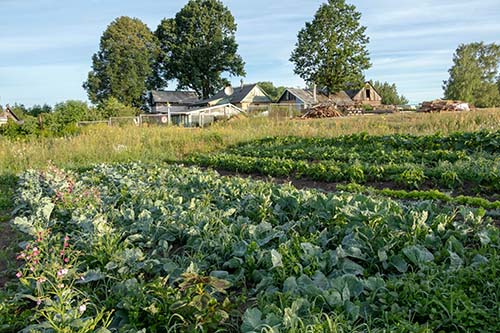
Permaculture Design: Building Sustainable Ecosystems
Permaculture design is a holistic approach to creating sustainable and self-sufficient ecosystems. Here’s how you can incorporate permaculture principles into your SE Georgia garden:
- Observe and Interact: Spend time understanding the natural patterns of your land, such as sunlight, wind, and water flow. Use these observations to design your garden in harmony with nature.
- Zones and Sectors: Organize your garden into zones based on usage frequency, from the home (Zone 1) to wilderness areas (Zone 5). Consider sectors for wind, sun, and water flow to maximize efficiency and productivity.
- Perennial Planting: Focus on perennials that thrive in the Lower Coastal Plain, such as blueberries, figs, and pecans. These plants provide long-term yields with minimal maintenance.
- Water Management: Implement rainwater harvesting systems and create swales or rain gardens to manage water efficiently and prevent erosion.
Wildcrafting: Harvesting Nature’s Bounty
Wildcrafting involves foraging for wild plants and herbs that grow naturally in your environment. Here’s how to do it sustainably in SE Georgia:
- Identify Edible and Medicinal Plants: Learn to recognize local wild edibles like chickweed, wild garlic, and saw palmetto berries. These plants are abundant in SE Georgia and can supplement your diet and medicine cabinet.
- Sustainable Harvesting: Harvest responsibly by taking only what you need and leaving enough for the plant to continue thriving. Avoid damaging the ecosystem and ensure future growth.
- Use Multiple Plant Parts: Many wild plants offer multiple uses. For example, dandelions provide edible leaves, flowers for tea, and roots for a coffee substitute.
Herbal Remedies: Natural Healing from Your Garden
Growing and using your own herbs for medicinal purposes connects you with nature and promotes holistic health.
Here’s how to start:
- Cultivate Medicinal Herbs: Plant herbs like echinacea, lemon balm, and elderberry, which are well-suited to the SE Georgia climate. These herbs have versatile uses for health and wellness.
- Create Herbal Preparations: Learn to make teas, tinctures, salves, and poultices. Each preparation method extracts different beneficial properties from the herbs.
- Preserve Your Harvest: Dry or freeze herbs to maintain their medicinal qualities. Store them in airtight containers away from light and moisture to ensure longevity.
Homesteading: Achieving Self-Sufficiency
Homesteading encompasses a wide range of activities aimed at living a self-sufficient lifestyle.
Here’s how to start homesteading in the Lower Coastal Plain:
- Grow Your Own Food: Cultivate a diverse garden with vegetables, fruits, and herbs. Consider raising chickens for eggs or goats for milk to add variety and self-sufficiency to your homestead.
- Food Preservation: Master canning, fermenting, and dehydrating techniques to store food for the winter months and ensure a year-round supply.
- DIY Skills: Develop skills in carpentry, plumbing, and basic mechanics. These skills are invaluable for maintaining and improving your homestead.
- Renewable Energy: Explore renewable energy options like solar panels or wind turbines to reduce your reliance on grid power and lower your environmental footprint.
Addressing Today’s Food Challenges
In today's world, food security and sustainability are pressing issues. Here’s how you can contribute to a more resilient food system:
- Support Local Agriculture: Buy from local farmers and participate in Community Supported Agriculture (CSA) programs. This supports the local economy and reduces your carbon footprint.
- Practice Sustainable Gardening: Use crop rotation, companion planting, and organic methods to improve soil health and reduce pest problems.
- Educate and Share: Share your knowledge and harvest with your community. Host workshops, trade seeds, and join local gardening groups to build a network of like-minded individuals.
Living and gardening in SE Georgia’s Lower Coastal Plain offers unique opportunities to embrace sustainable practices and a self-sufficient lifestyle. By incorporating permaculture design, wildcrafting, herbal remedies, and homesteading principles, you can create a resilient and productive homestead. Our blog is here to guide you every step of the way, drawing on 20 years of experience to help you navigate today’s food challenges and cultivate a thriving, sustainable life. Happy gardening and homesteading!