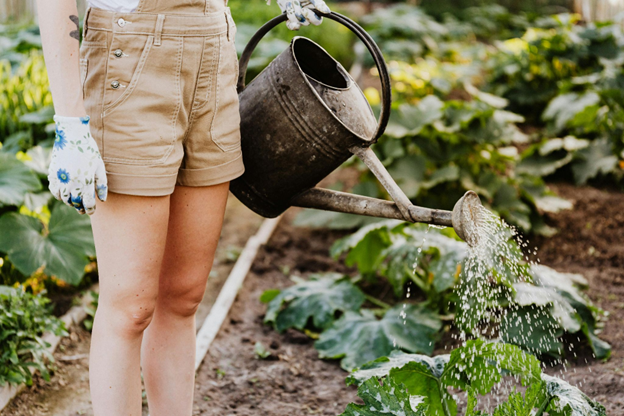
How to Design a Beautiful Yet Productive Georgia Backyard Garden
By Emma Croft from getgardening.infoPeach state homeowners and gardeners can craft stunning landscapes that are as edible as they are elegant. With long growing seasons, fertile soils, and iconic crops like peaches, muscadines, and collards, Georgia gardening offers endless ways to merge design with deliciousness. Whether your goal is a cottage-style homestead or sleek urban plot, an edible landscape can elevate both beauty and utility.
Main Takeaways
Designing an edible landscape in Georgia means blending native-friendly ornamentals with food-producing plants. By layering fruit trees, shrubs, herbs, and seasonal vegetables — and using smart irrigation and rotation — you can create a vibrant, functional Georgia backyard garden that nourishes your home and lifestyle all year long.
The Georgia Context: Climate, Zones, and Edible Variety
Georgia’s diverse geography — from the cool mountain zones to humid coastal plains — provides microclimates ideal for a variety of fruits and vegetables. Understanding your USDA hardiness zone (most areas are 7–9) ensures year-round productivity.
Start here: USDA Plant Hardiness Zone Map
Learn locally: UGA Extension Gardening Resources
Georgia favorites to feature in edible landscapes:
- Fruits: Peaches (‘Elberta’), figs (‘Celeste’), rabbiteye blueberries (‘Brightwell’), blackberries (‘Natchez’), muscadine grapes, Asian pears.
- Vegetables: Collards, kale, tomatoes, peppers, okra, sweet potatoes, mustard greens, and Southern peas.
- Herbs: Rosemary, basil, thyme, oregano, and lemongrass thrive in the state’s sun and humidity.
Tip: Integrate perennials like figs or blueberries as design anchors, then rotate annuals seasonally for freshness and soil health.
Turn Harvests Into Income Streams
Once your edible landscape is thriving, consider small-scale monetization to offset costs or fund expansion. Selling seasonal produce, hosting weekend workshops, or starting a micro-nursery for Georgia-adapted plants are all effective ways to turn passion into profit.
Forming an LLC offers protection, tax flexibility, and a clear structure for scaling. You can skip expensive attorney fees by filing independently or using a reliable service like ZenBusiness to handle registration and compliance — letting you focus on the fun parts of your gardening enterprise.
Design Principles for Functional, Beautiful Georgia Gardens
Key Elements for Edible Landscape Design
- Layer intentionally: Trees (canopy) → shrubs (berry layer) → herbs (understory) → annuals (ground layer).
- Four-season beauty: Spring peach blossoms, summer okra blooms, autumn fig harvests, and evergreen rosemary texture.
- Pollinator pathways: Incorporate coneflowers, bee balm, and goldenrod to boost fruit yield.
- Color balance: Alternate edible greens with ornamental grasses or flowers for visual rhythm.
- Water efficiency: Use drip irrigation and mulch to conserve moisture in Georgia’s hot summers.
- Lifestyle integration: Add seating, outdoor prep zones, and compost stations.
For eco-friendly growing methods, check out Georgia Organics.
Table: Seasonal Planting & Lifestyle Tie-Ins
| Season | Best Plants to Grow | Design Focus | Lifestyle Connection |
|---|---|---|---|
| Late Winter – Early Spring | Collards, onions, beets, mustard greens | Refresh mulch, prune figs | Early greens for juicing and stir-fries |
| Spring – Early Summer | Tomatoes, okra, basil, peppers | Train vines, add garden lighting | Backyard dinners and salsa making |
| Mid–Late Summer | Southern peas, cucumbers, sweet potatoes | Mulch heavily, prune for airflow | Pickles, sweet potato fries |
| Early Fall | Broccoli, kale, cabbage, carrots | Add rosemary hedges, prep fall color | Soups, braised greens |
| Winter | Garlic, shallots, cover crops | Evergreen herbs for structure | Homemade herb butters and gifts |
How-To: Create a Georgia Edible Landscape Step-by-Step
Step 1: Assess Your Yard
- Map sunlight patterns, drainage, and existing structures.
- Use tools like Google Earth Measure for layout planning.
Step 2: Test and Amend Soil
- Georgia soils vary — red clay in the Piedmont, sandy loam on the coast.
- Get a test from AESL Soil Analyses – University of Georgia.
Step 3: Choose Perennial Framework Plants
- Figs, blueberries, and muscadines establish structure and year-round productivity.
Step 4: Rotate Annuals Seasonally
- Alternate warm- and cool-season vegetables to maintain soil fertility.
Step 5: Water Smartly
- Install drip irrigation systems like Rain Bird Drip Kits and mulch deeply to lock in moisture.
Step 6: Integrate Pollinators
- Include flowering herbs, zinnias, or sunflowers to attract bees and butterflies.
Step 7: Maintain and Evolve
- Record plant performance each season and adjust spacing, shade, and composting practices accordingly.
Fixer-Upper Garden Ideas: Transforming Existing Yards
If you’re working with an older or neglected property, think renovation first, cultivation second.
Checklist for a "Fixer-Upper" Garden Revival:
- Remove invasives like kudzu or English ivy
- Restore soil with compost and leaf mold
- Reuse existing hardscapes for raised beds or trellises
- Prune overgrown ornamentals and graft fruiting varieties
- Add focal edibles (a fig tree or muscadine arbor) for instant visual impact
Explore Better Homes & Gardens’ landscape rehab ideas for more inspiration.
Checklist: Seasonal Care for Georgia Gardeners
Spring
- Start warm-season crops indoors
- Fertilize fruit trees lightly after bud break
- Refresh mulch and irrigation lines
Summer
- Deep water 1–2× weekly
- Harvest daily to encourage production
- Watch for pests like stinkbugs and aphids
Fall
- Plant garlic and collards
- Collect leaves for compost
- Install frost covers for tender herbs
Winter
- Prune figs and muscadines
- Sharpen tools and clean equipment
- Plan next year’s crop layout
Product Spotlight: The GreenStalk 5-Tier Original Vertical Planter
For gardeners with limited space or sloped yards, the GreenStalk 5-Tier Original Vertical Planter offers an elegant, Georgia-friendly solution. Made in the USA, it’s designed for heavy yields in compact spaces, ideal for patios, decks, or small urban plots.
- Perfect for: Compact or urban Georgia gardens
- Built-in watering system: Even moisture distribution through all tiers
- Heat-ready: UV-resistant materials withstand Georgia’s sun
Pro Tip: Grow strawberries, basil, or lettuces in the upper tiers and trailing herbs or flowers below for a cascading edible display.
FAQ
Q1: What fruits grow best in Georgia’s heat?
A: Peaches, figs, muscadines, and rabbiteye blueberries excel thanks to their heat tolerance and long harvest window.
Q2: How do I prevent erosion in my edible garden?
A: Use terraces or mulch berms; plant creeping thyme or strawberries as living groundcovers.
Q3: When should I plant collards and kale?
A: Plant in early fall for tender leaves that sweeten after frost.
Q4: Can I grow fruit trees in containers?
A: Yes — dwarf figs, Meyer lemons, and blueberries perform well in 20-gallon pots with good drainage.
Q5: What’s the easiest crop for beginners?
A: Start with herbs like basil or rosemary and bush varieties of tomatoes; they thrive in Georgia’s heat with minimal effort.
Glossary
- Rabbiteye Blueberry: Southern blueberry species suited to Georgia’s heat and humidity.
- Guild Planting: Companion planting of fruit trees, herbs, and flowers for mutual benefit.
- Muscadine: Native grape known for thick skins and robust flavor.
- Drip Irrigation: Low-flow watering system reducing evaporation.
- Permaculture: Sustainable design philosophy blending ecology and aesthetics.
Final Action Checklist
- Test your soil and identify your zone
- Choose Georgia-adapted fruits, vegetables, and herbs
- Install drip irrigation and mulch beds
- Add pollinator-friendly flowers
- Monetize extras through workshops or produce sales
- Review your garden plan each season for improvements
Designing an edible landscape in Georgia blends creativity with practicality. By selecting regional varieties, layering plants, and tying your harvests to daily life — from cooking to community — you’ll create a garden that’s as nourishing as it is stunning. Thoughtful planning turns your yard into a living pantry and a year-round sanctuary for you and local wildlife alike.
Discover the secrets to a thriving Georgia garden with Georgia Garden, your go-to resource for expert tips, local insights, and sustainable gardening practices tailored for the Peach State!
🌿 A Note of Thanks
The team at GaGarden.com extends our gratitude to GetGardening.info for sharing this article with their readers and helping connect more people with the joy of gardening in the Peach State.
If you enjoyed this piece and want to explore more tips, how-tos, and inspiration for gardeners of every skill level, be sure to visit GetGardening.info — a wonderful resource for anyone looking to grow something beautiful and productive at home.
For more Georgia-focused garden ideas, design inspiration, and local growing insights, visit us anytime at GaGarden.com. Together, we’re cultivating a greener, more delicious Georgia — one backyard at a time.
Keep Exploring GA Garden
Georgia Planting Calendar · Companion Planting · Georgia Growing Guides · Seasonal Produce · Pest & Disease Help · Harvesting · Garden-to-Kitchen Recipes