Georgia crop comparison
From Ground Cherries to Kohlrabi: Unusual March Planting Ideas for Georgia
March in Georgia is a time when tradition meets innovation in the garden. While many gardeners stick to the tried-and-true favorites, why not add a twist this spring? This month, we're exploring some offbeat yet delicious fruits and vegetables that can transform your Georgia garden into a vibrant showcase of culinary surprises.
Dare to Get Different
Why settle for the ordinary when you can experiment with the extraordinary? Unusual crops like ground cherries and kohlrabi not only add a pop of color and flavor to your meals but also challenge you to embrace new gardening techniques. These plants are perfectly suited to Georgia’s diverse climates, from the cool mornings of North Georgia to the milder conditions down South.
Ground Cherries: Tiny Treasures with Big Flavor
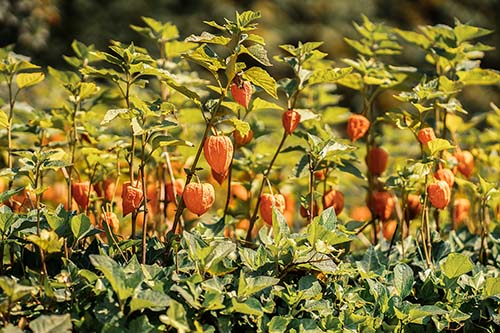
Often overlooked, ground cherries (also known as husk cherries) are a delightful addition to any garden. These petite fruits, encased in a delicate papery husk, burst with a tangy-sweet flavor that works wonderfully in salads, jams, or even desserts.
Planting Tips:
- Sun & Soil: Ground cherries thrive in full sun with well-draining soil.
- Timing: Start them in March when the risk of frost has passed.
- Care: Keep the soil evenly moist, and soon you’ll see their charming little fruits hanging like ornaments in your garden.
Imagine plucking these little gems for a refreshing twist on your morning yogurt or as a unique garnish for your favorite summer salad!
Kohlrabi: The Cool, Crunchy Surprise
Kohlrabi is a member of the brassica family that might look a bit odd at first glance, but don’t let its quirky appearance fool you. With its crisp texture and mildly sweet flavor reminiscent of broccoli stems or turnips, kohlrabi is a versatile vegetable that can be enjoyed raw or cooked.
Planting Tips:
- Optimal Conditions: Plant kohlrabi early in the cool season—March is ideal for Georgia’s temperate spring days.
- Soil & Spacing: Ensure your garden bed is rich in organic matter and give each plant room to expand.
- Harvest: Watch for that delightful swollen stem, and enjoy it sliced into salads, stir-fries, or even pickled.
Adding kohlrabi to your garden not only introduces a new texture and flavor to your dishes but also elevates your garden’s visual appeal with its unusual, globe-like shape.
More Unusual Gems to Consider
If you’re ready to further shake up your garden routine, here are a couple more ideas that might spark your curiosity:
Watermelon Radish: A Burst of Color
These radishes are a feast for both the eyes and the palate. With a crisp bite and a vivid pink interior, watermelon radishes add an unexpected burst of sweetness and color to any plate.
Sunchokes (Jerusalem Artichokes): Nutty and Nutritious
For those with a bit more space, sunchokes are a hardy tuber crop that thrives in early spring. Their nutty flavor and crunchy texture make them a unique addition to soups and salads. Read More
Tips for Unconventional Gardeners in Georgia
- Know Your Zone: Georgia’s climate can vary widely. Check your local frost dates and adjust your planting schedule accordingly.
- Soil First: Even unusual plants need a solid foundation. Amend your soil with organic matter and ensure proper drainage.
- Experiment with Companion Planting: Pair these unique crops with more common varieties. For instance, ground cherries can complement tomatoes, while kohlrabi pairs well with leafy greens.
- Stay Curious: Unusual crops might need a bit of trial and error, so embrace the learning process. Every setback is a chance to grow your gardening expertise!
Dare to Be Different
This March, why not break away from the conventional? By incorporating unusual planting ideas like ground cherries and kohlrabi, you can infuse your Georgia garden with fresh flavors, vibrant colors, and a sense of adventure. The garden is your canvas—experiment, innovate, and savor the fruits (and vegetables) of your labor.
What unconventional crops are you excited to try this spring? Send us your experiments and tips—let’s inspire each other to grow boldly!