Georgia crop spotlight
Spotlight on Unique Edibles: Why Sunchokes Are Georgia's March Garden Hero
March in Georgia is a time of renewal—a season when the soil begins to warm and innovative gardeners seize the opportunity to plant something extraordinary. Among the myriad of fruits and vegetables lining Georgia’s bountiful gardens, one unique edible is emerging as the unsung hero of early spring: the sunchoke.
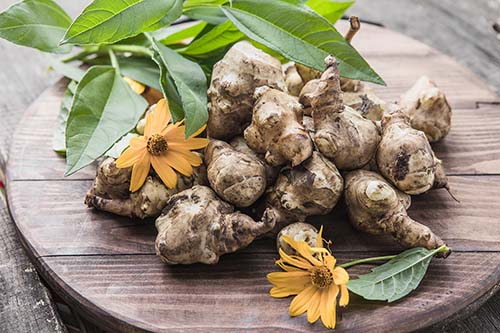
What Are Sunchokes?
Also known as Jerusalem artichokes, sunchokes are not artichokes at all—they’re the knobby, earthy tubers of a sun-loving perennial in the sunflower family. With their crisp, nutty flavor and unexpected versatility, sunchokes offer a delightful twist on traditional root vegetables. Their taste is reminiscent of artichokes and water chestnuts, making them a fascinating addition to salads, soups, and even roasted vegetable medleys.
Why Sunchokes Shine in Georgia’s March Gardens
Adaptability to Georgia’s Climate
Georgia’s diverse climate, with its mild winters and gradual warming in March, creates the perfect environment for sunchokes. These hardy tubers are well-suited for early spring planting, thriving in soils that range from loamy to slightly sandy. Their resilience means you can plant them in March, and as the days grow longer, watch them flourish into robust plants.
Low-Maintenance Marvels
One of the standout features of sunchokes is their minimal maintenance. Once established, these sun-lovers require little more than regular watering and a bit of weeding. They’re naturally vigorous and often self-seeding, making them an ideal crop for gardeners looking to maximize yield with less fuss.
Culinary Versatility
Sunchokes are not just a gardener’s delight—they’re a chef’s secret weapon. Their crisp texture and subtly sweet, nutty flavor allow them to shine in a variety of dishes:
- Roasted to Perfection: Tossed with olive oil, salt, and rosemary, sunchokes become a crunchy, savory side dish.
- Raw & Refreshing: Thinly sliced in salads, they add an unexpected crunch and flavor.
- In Soups & Stews: Their creamy texture when cooked turns them into a natural thickener for hearty, comforting soups.
Nutritional Benefits
Sunchokes pack a nutritional punch. Rich in inulin—a type of prebiotic fiber that supports gut health—they also offer a good source of vitamins and minerals. For Georgia gardeners and food enthusiasts alike, incorporating sunchokes into your diet is a delicious way to boost overall health.
How to Grow Sunchokes in Your Georgia Garden
Planting Tips
- Location & Soil: Choose a sunny spot with well-draining soil. Sunchokes prefer a slightly acidic to neutral pH.
- Timing: Plant your sunchoke tubers in March, once the danger of frost has passed. Their early start gives them ample time to develop robust roots.
- Spacing: Give each plant room to spread—sunchokes can be vigorous, so spacing them adequately will ensure healthy growth.
Caring for Your Crop
- Watering: While sunchokes are drought-tolerant, they do best with regular, deep watering during dry spells.
- Weeding: Keep the area around your sunchokes weed-free to reduce competition for nutrients.
- Harvesting: In the fall, after the first frost, dig carefully around the base of the plants to harvest the tubers. The frost helps to convert some of their starches into sugars, enhancing their flavor.
The Sunchoke: A True Garden Hero
In Georgia’s dynamic March gardening scene, sunchokes are more than just an unusual crop—they’re a celebration of innovation, resilience, and culinary creativity. By adding these remarkable tubers to your garden, you’re not only diversifying your edible landscape but also embracing a crop that thrives with minimal fuss while delivering maximum flavor.
So, this March, consider planting sunchokes and experience firsthand why they’re quickly becoming the unsung heroes of Georgia gardens. Have you tried growing sunchokes before, or are you ready to take the plunge? Send us your gardening stories and favorite sunchoke recipes—let’s cultivate a community that celebrates the extraordinary!