August in Georgia is a turning point for gardeners. The intense summer sun still blazes, but the days are slowly shortening, and the first hints of fall’s cooler promise are just around the corner.
This is the moment to pivot your garden from summer production to fall abundance—and that means making smart choices about what stays, what goes, and how to prepare your soil for the months ahead.
By focusing on crop rotation, soil rejuvenation, and removing spent plants, you’ll set yourself up for a healthy, productive fall garden.
🌿 Step 1: Clear Out the Old to Make Room for the New
By August, some of your spring and early summer crops have run their course. Tomatoes may be exhausted, cucumbers may have succumbed to powdery mildew, and beans may be slowing down.
Why removal matters:
- Spent plants can harbor pests and diseases that will overwinter in the soil.
- Clearing space early gives your fall crops a stronger start.
How to do it:
- Pull up plants that are no longer producing.
- Discard diseased plants in the trash—not the compost pile.
- Chop healthy, non-invasive plants and add them to your compost for nutrient recycling.
Pro Tip: Check under mulch for hidden pests or weed seedlings while the bed is clear. This is your chance to start with a clean slate.
🌾 Step 2: Practice Crop Rotation to Keep Soil Healthy
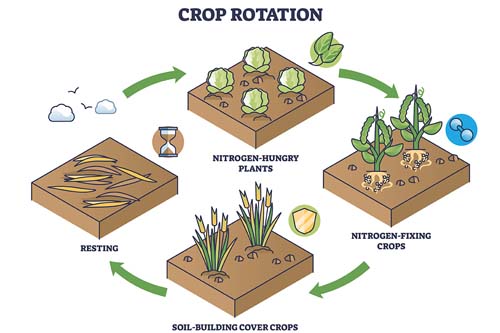
Crop rotation is one of the most powerful, natural tools for maintaining soil fertility and preventing disease. In Georgia’s long growing season, even small gardens benefit from changing where crops are planted from one season to the next.
Rotation benefits:
- Reduces pest buildup (e.g., tomato hornworms won’t find tomatoes in the same spot).
- Prevents nutrient depletion (different plants pull different minerals from the soil).
- Improves soil structure and biodiversity.
Simple Georgia-friendly rotation example:
- Legumes (Beans, Peas) → Leafy Greens (Spinach, Collards, Kale)
- Leafy Greens → Fruiting Crops (Tomatoes, Peppers, Eggplant)
- Fruiting Crops → Root Crops (Carrots, Beets, Turnips)
- Roots → Legumes again
🌱 Step 3: Rejuvenate Your Soil for Fall Planting
Summer crops—especially tomatoes, corn, and squash—pull a lot of nutrients from your soil. If you want fall crops to thrive, you have to feed the soil first.
Easy soil rejuvenation methods:
- Add compost – A 2–3 inch layer tilled lightly into the topsoil restores nutrients.
- Incorporate aged manure – Boosts nitrogen for leafy fall crops.
- Apply organic fertilizers – Tailor blends for your intended fall plants (high nitrogen for greens, balanced for roots).
- Mulch for moisture – Straw, shredded leaves, or pine bark help retain water and regulate soil temps during lingering heat.
🥬 Step 4: Plan and Plant Your Fall Crops
While the sun is still hot in August, many cool-weather favorites need to be seeded now to mature in the pleasant autumn months.
Georgia-friendly fall crops to start in August:
- Direct sow: Beans (last planting), Carrots, Beets, Turnips, Radishes.
- Start indoors or in shade: Broccoli, Cauliflower, Cabbage, Brussels Sprouts.
- Transplant in late August/early September: Collards, Kale, Mustard Greens.
🌟 Final Thought: August is Your Garden’s Reset Button
Think of August not as the end of summer, but as the bridge to your next great harvest. By clearing out the tired plants, rotating crops for better soil health, and feeding the ground with fresh nutrients, you give your fall garden the best chance to thrive.
Georgia’s climate gives gardeners the rare gift of two full growing seasons—don’t waste it. Put in the work now, and you’ll be pulling crisp greens, sweet carrots, and robust cabbages from your garden long after the summer heat has faded.