Georgia instructional garden guide
Rooted in Tradition, Grown for Georgia: How the Three Sisters Method Can Transform Your Garden
In an age of complex fertilizers and chemical pest control, the answer to a more sustainable and productive garden might just be thousands of years old. The Three Sisters gardening method, a time-honored practice developed by Indigenous peoples of the Americas, offers a deeply rooted, organic solution for gardeners in Georgia seeking abundance and harmony with the land.
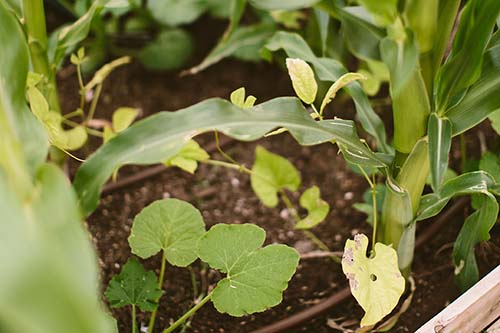
This ancient technique isn’t just folklore—it’s a smart, symbiotic system that can thrive in Georgia’s warm climate, diverse soils, and extended growing season. Whether you're new to gardening or a seasoned grower, the Three Sisters method could be the most powerful (and poetic) addition to your garden this year.
What Is the Three Sisters Gardening Method?
The “Three Sisters” are corn, beans, and squash—three crops planted together in a way that each supports the growth of the others:
- Corn provides a natural trellis for pole beans to climb.
- Beans return nitrogen to the soil, enriching it for all three crops.
- Squash grows low and wide, shading the ground to suppress weeds and conserve moisture.
Together, they create a miniature ecosystem that maximizes space, improves soil fertility, and reduces the need for external inputs.
Why the Three Sisters Thrive in Georgia
Georgia’s climate is uniquely suited for this method:
- Long, warm growing season (especially in USDA Zones 7b–9a)
- Nutrient-rich clay soils that retain moisture well
- High humidity and summer rain that benefit large-leafed squash and vining beans
With a little planning, the Three Sisters garden can flourish throughout Georgia, from the red clay hills of North Georgia to the sandy loam of the coastal plain.
Planting the Three Sisters in Georgia: Step-by-Step
-
Timing is Everything
- Start in late April to early May, once soil temperatures reach 60°F or higher.
- Staggering your planting is key—plant the corn first, then beans, then squash.
-
Prepare the Mounds
- Form a circular mound about 1–2 feet wide and 6–8 inches tall.
- Space each mound 3–4 feet apart in full sun.
-
Plant in This Order
- Corn: Sow 4–6 kernels in the center of each mound, spaced about 12 inches apart.
- Beans: After the corn is 4–6 inches tall (about 10–14 days later), plant 4–6 pole beans around the corn.
- Squash: A few days after planting beans, sow 2–3 squash seeds around the edge of each mound.
Best Varieties for Georgia’s Gardeners
Pro Tip: Seminole pumpkin, a Florida-native heirloom, thrives in hot, humid conditions and resists squash pests common in Georgia.
Sustainability in Action
The brilliance of the Three Sisters method lies in its ecological intelligence:
- Pest control: Squash’s prickly vines deter raccoons and pests.
- Soil health: Beans reduce the need for fertilizer.
- Water conservation: Squash leaves shade the soil, reducing evaporation.
In a world increasingly affected by climate change and resource scarcity, the Three Sisters garden teaches us how to work with nature, not against it.
Bringing Ancient Wisdom to Modern Gardens
Beyond its practicality, the Three Sisters method offers a connection to heritage. It’s a tribute to Indigenous agricultural genius—a reminder that gardening can be more than just growing food; it can be an act of respect, resilience, and regeneration.
Whether you’re cultivating a large backyard plot or experimenting in a few raised beds, incorporating the Three Sisters method can help you grow more food with fewer resources—all while honoring the land and those who first understood its rhythms.