Natural pest strategy
The Secret Weapon for Georgia Gardeners: Trap Plants That Protect Your Fruits and Veggies
If you’ve ever walked out to your Georgia garden only to find your tomatoes under siege or your squash drooping from pest pressure, you’re not alone. The warm Southern climate is a dream for growing fruits and vegetables—but it’s also paradise for pests. Fortunately, there’s a little-known gardening hack that can help you fight back naturally: trap plants.
What Are Trap Plants?
Trap plants, also called trap crops, are decoys you grow on purpose to lure pests away from your precious produce. Think of them as bodyguards for your tomatoes, cucumbers, and greens. Instead of relying solely on sprays or constant hand-picking, trap plants do the heavy lifting—attracting insects to themselves and leaving your main crops relatively untouched.
Why Trap Plants Work So Well in Georgia
Georgia’s long growing season and humidity make it a hotbed for common garden pests like squash bugs, aphids, stink bugs, and vine borers. Since many of these bugs are drawn to specific plants, strategically placing trap plants can reduce infestations before they get out of hand. The best part? It's organic, low-maintenance, and fits right into your existing garden design.
Top Trap Plants for Georgia Gardens
Here’s a list of tried-and-true trap plants that work wonders in Georgia’s climate:
1. Blue Hubbard Squash
Attracts: Squash bugs, squash vine borers
Protects: Zucchini, melons, cucumbers
Pro Tip: Plant Blue Hubbard a couple of weeks before your main squash crops. The early bugs will flock to it—and you can remove infested leaves or even sacrifice the whole plant if needed.
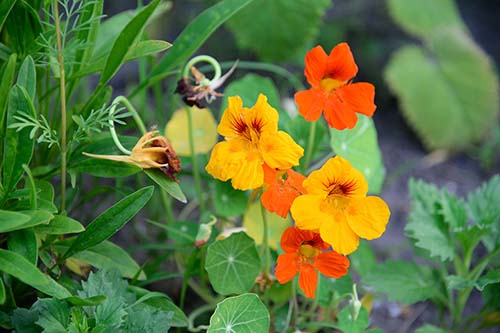
2. Nasturtiums
Attracts: Aphids, whiteflies, squash bugs
Protects: Tomatoes, cucumbers, beans
Pro Tip: These colorful flowers not only act as pest magnets but also beautify your garden and are edible!
3. Mustard Greens
Attracts: Harlequin bugs, aphids
Protects: Cabbage, broccoli, kale
Pro Tip: Monitor closely—mustard can become a breeding ground fast. Once infested, pull and dispose of the plant.
4. Sunflowers
Attracts: Stink bugs
Protects: Tomatoes, okra, peppers
Pro Tip: Sunflowers grow tall and can double as pollinator attractants while drawing away stink bugs.
5. Radishes
Attracts: Flea beetles
Protects: Spinach, lettuce, Swiss chard
Pro Tip: Let your radishes flower—this increases their pest-attracting power. And don’t worry about harvesting; they’re serving a bigger purpose.
How to Use Trap Plants Effectively
- Plant Early: Give trap crops a head start so they’re already thriving (and attracting pests) when your main crops go in.
- Distance Smartly: Keep them a few feet away—not too close to your main plants but not too far either.
- Monitor and Manage: Check your trap plants often. If they’re heavily infested, it may be time to pull or treat them to break the pest life cycle.
- Mix and Match: Don’t rely on one trap plant. Rotate them based on what you’re growing and which pests are most active.
Final Thoughts
Using trap plants is like setting a clever bait—it’s natural, sustainable, and smart gardening. Whether you’re growing tomatoes on a patio or managing a full backyard farm, trap plants give you a secret weapon to defend your crops with minimal intervention.
So this spring, don’t just plant for the harvest—plant for protection. Your Georgia garden will thank you for it.