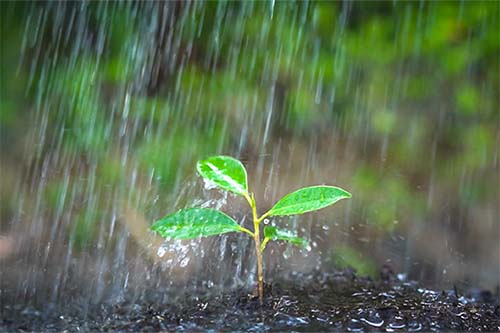
In Georgia, April is the sweet spot of the spring gardening season. The days are warmer, the soil is soft, and the rain showers that roll in this month set the stage for a garden bursting with life. If you’re growing fruits and vegetables, what you do in April will determine how full your harvest baskets are come May and beyond.
Whether you’re a first-time grower or a seasoned backyard farmer, here’s how to make the most of your spring garden this April—planting smart, caring well, and setting up for a season of success.
1. Prep the Soil: Your Garden’s Foundation
Healthy soil = healthy plants. April is the perfect time to test, amend, and build your beds.
Tasks to tackle:
- Test your soil for pH and nutrient balance (available through your local extension office)
- Add compost to enrich organic matter and improve structure
- Top off raised beds and loosen compacted soil for proper drainage
2. Plant Cool and Warm-Season Crops
April is a transitional month. Early in the month, cool-season crops are still going strong. By mid- to late-April, it’s time to start planting warm-season vegetables too.
Cool-season crops to plant early in April:
- Leafy greens: Lettuce, kale, Swiss chard, and spinach
- Root crops: Carrots, radishes, beets, and turnips
- Peas and onions
Warm-season crops to plant by late April (after frost risk passes):
- Tomatoes (transplants)
- Peppers (transplants)
- Squash and zucchini
- Cucumbers
- Beans (direct sow)
- Melons and sweet corn (in southern Georgia or with protection)
3. Care for Fruit Trees and Berries
If you’re growing fruits, April is a busy month for your trees and bushes.
Key tasks:
- Thin young fruit on peach, plum, and apple trees to prevent limb breakage and improve fruit size
- Mulch around trees and bushes to retain moisture and suppress weeds
- Watch for early signs of pests like plum curculio or aphids
- Fertilize blueberries and other fruiting plants as needed
4. Harness April Rain: Water Wisely
April’s frequent rain helps new plantings get established, but it’s important to monitor your watering needs, especially in raised beds or sandy soil.
Water tips:
- Mulch early to retain rainwater and reduce runoff
- Install soaker hoses or drip irrigation to save time and water more efficiently
- Check soil moisture before watering—don't assume rain was enough
5. Stay Ahead of Weeds and Pests
Everything grows faster in April—including weeds and garden pests.
Prevention strategies:
- Hand weed regularly to prevent seed spread
- Use landscape fabric or straw mulch to suppress growth in rows and walkways
- Inspect daily for early pest signs like cabbage worms, aphids, or flea beetles
- Plant pollinator-friendly flowers to encourage beneficial insects
6. Think Ahead: Succession Planting and Planning for Summer
Once quick crops like radishes or spinach are harvested, be ready to replant. Planning now means less downtime between harvests.
Succession ideas:
- After lettuce: plant bush beans or okra
- After radishes: sow carrots or green onions
- After peas: try cucumbers or heat-tolerant greens
Final Thoughts: April is Where It All Begins
In Georgia, April is the month that sets the stage for a successful, abundant growing season. It’s the time to prepare, plant, and care—with patience and purpose. From peas to peaches, and tomatoes to tender greens, the work you do now ensures that when May arrives, your garden will be not just growing—but thriving.
So let the rain fall, let the seeds sprout, and let your garden story unfold.