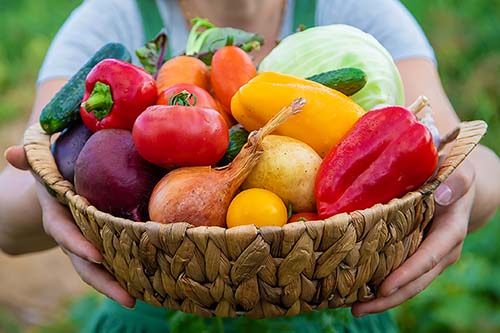
Whether you're a seasoned gardener or just starting out, your backyard garden in North Georgia holds immense potential. Maybe you’re seeking assistance on a current project or looking for innovative ways to upgrade your garden—either way, you’re in the right place! Here’s a creative guide to help you maximize your garden's potential and create a thriving fruit and vegetable paradise.
- Assess and Plan Your Space
- Soil Testing: Start with a soil test to determine pH levels and nutrient deficiencies. This helps you make informed decisions on soil amendments.
- Sunlight Mapping: Observe how sunlight moves across your garden throughout the day. Most fruits and vegetables need at least 6-8 hours of direct sunlight.
- Garden Layout: Plan your garden layout considering plant height, water needs, and companion planting benefits. Create a map to visualize your garden design.
Before diving into planting, take a moment to assess your garden space. North Georgia’s unique climate and soil conditions offer both opportunities and challenges.
- Choose the Right Plants
- Fruits: Blueberries, strawberries, figs, and peaches are excellent options. They adapt well to the local conditions and reward you with delicious, homegrown produce.
- Vegetables: Tomatoes, bell peppers, squash, and leafy greens like kale and spinach grow vigorously in North Georgia gardens.
North Georgia’s climate supports a diverse range of fruits and vegetables. Here are some top choices that thrive in this region:
- Upgrade with Raised Beds and Containers
- Build Raised Beds: Construct raised beds with untreated wood or stone. Fill them with a high-quality soil mix to give your plants the best start.
- Use Containers: For smaller spaces, containers are perfect for growing herbs, tomatoes, and even dwarf fruit trees. Ensure they have proper drainage holes and use a good potting mix.
Raised beds and containers can transform your garden, offering better soil control, improved drainage, and easier maintenance.
- Invest in Quality Soil and Compost
- Composting: Start a compost pile with kitchen scraps, garden waste, and leaves. Compost enriches the soil with nutrients and improves its structure.
- Soil Amendments: Add organic matter like compost, aged manure, and leaf mold to improve soil fertility and drainage.
Healthy soil is the cornerstone of a productive garden. North Georgia’s red clay can be challenging, so amending it with organic matter is crucial.
- Optimize Watering Practices
- Drip Irrigation: Install a drip irrigation system to deliver water directly to the plant roots, reducing evaporation and runoff.
- Rainwater Harvesting: Set up rain barrels to collect and store rainwater. It’s an eco-friendly way to water your garden and reduce your water bill.
Efficient watering is essential to keep your garden flourishing without wasting resources.
- Embrace Mulching and Ground Cover
- Organic Mulch: Use straw, wood chips, or leaves to mulch around your plants. Apply a 2-3 inch layer to keep the soil cool and moist.
- Living Mulch: Plant ground covers like clover or creeping thyme. They add beauty and reduce weed growth while enriching the soil.
Mulching conserves moisture, suppresses weeds, and enhances soil health.
- Incorporate Vertical Gardening
- Trellises and Arbors: Grow climbing plants like cucumbers, beans, and peas on trellises or arbors. This saves ground space and adds a decorative element.
- Hanging Baskets: Use hanging baskets for strawberries, cherry tomatoes, and herbs. They add visual interest and free up ground space for other plants.
Maximize your space with vertical gardening techniques, perfect for smaller backyards.
- Pest Management the Natural Way
- Beneficial Insects: Attract beneficial insects like ladybugs and bees by planting flowers such as marigolds, calendula, and dill. These insects help control pests and pollinate your plants.
- Natural Remedies: Use homemade sprays made from ingredients like neem oil, garlic, and soap to deter pests. Companion planting with pest-repellent plants like basil and mint also works wonders.
Protect your garden from pests without resorting to harmful chemicals.
- Create a Garden Oasis
- Garden Seating: Add a cozy seating area with benches or a swing. Surround it with fragrant herbs and colorful flowers for a serene atmosphere.
- Pathways and Lighting: Install pathways with gravel or stepping stones. Solar-powered garden lights can create a magical ambiance for evening strolls.
Make your garden a relaxing retreat where you can unwind and enjoy nature’s bounty.